Citizen Science
What is Citizen Science ?
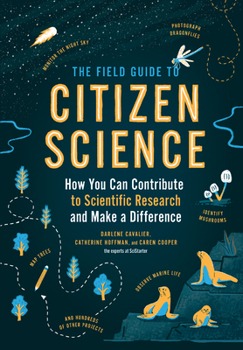
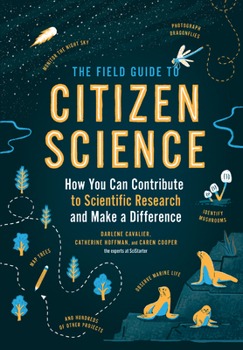
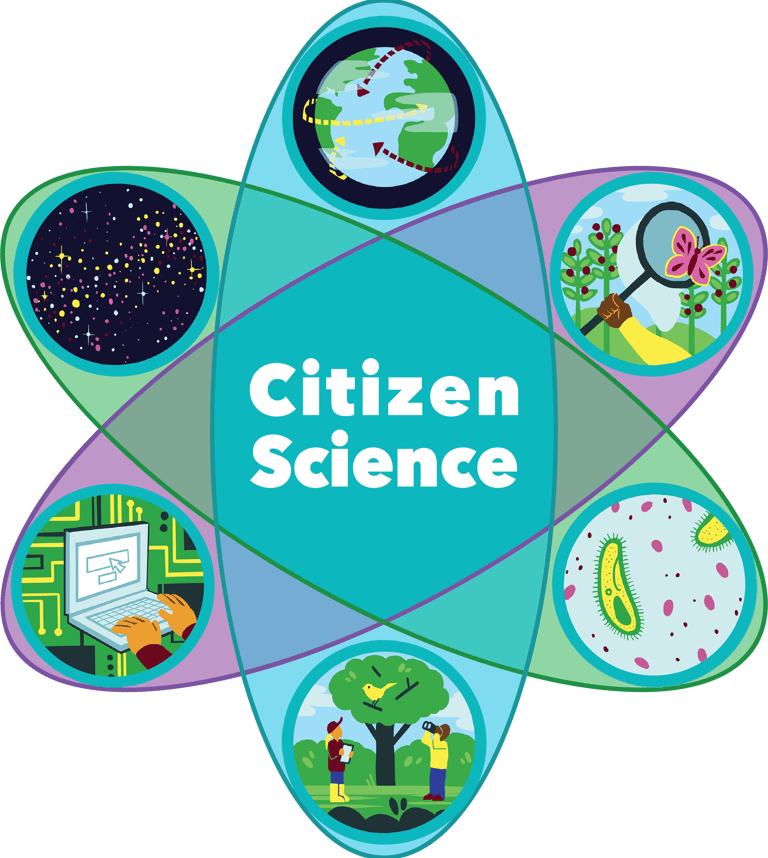
Citizen science involves the public collaborating with scientists on research, contributing data through tasks like identifying wildlife, monitoring weather, or classifying images, enabling large-scale data collection for fields from astronomy to ecology, benefiting science by expanding research capacity and empowering communities with scientific understanding. It offers a way to contribute to discoveries, build scientific literacy, and foster environmental stewardship, though challenges include ensuring data quality and managing large datasets.
Types of Citizen Science
Data Collection: Most common, involving recording observations (e.g., bird counts, water quality) using apps or forms.
Data Analysis: Analyzing large datasets, such as identifying galaxies in images (Galaxy Zoo) or classifying trail camera photos (Snapshot Wisconsin).
Problem Formulation: Engaging communities in defining research questions.
Technology Development: Creating tools or applications for scientific purposes.
Ongoing Projects
Hands-on science activities for all ages.
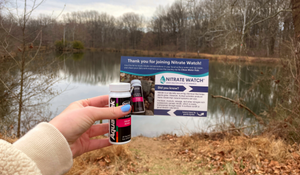
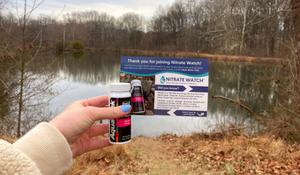
Nitrate is a naturally occurring compound made up of nitrogen and oxygen. Nitrogen is an essential nutrient for plant growth, but human activities produce more nitrogen than natural systems can use.
Fertilizers, manure and sewage all add extra nitrogen to the landscape. As this nitrogen moves through the environment, it becomes nitrate. The nitrate can then make its way to streams and sources of drinking water via surface runoff or groundwater saturation. Excess nitrate in water can pose serious problems for the health of humans and the environment.
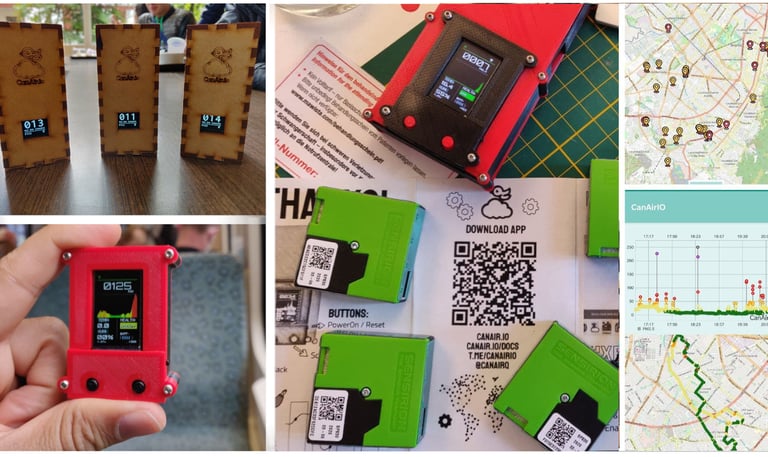
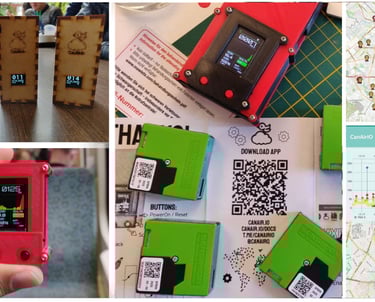
Citizen network for monitoring air quality
CanAirIO is a citizen science project to measure air quality (Particle Material PM2.5) using low cost sensors, cell phones (mobile measurement) or your wifi (static measurements) with low-cost technology and open source code. We are looking to build a citizen network, an air quality map that will allow us to know what we are breathing and how we can improve life quality. With the data collected we could independently validate official air quality numbers, because what can be measured can be improved.
Protecting our native pollinators through the power of citizen science.
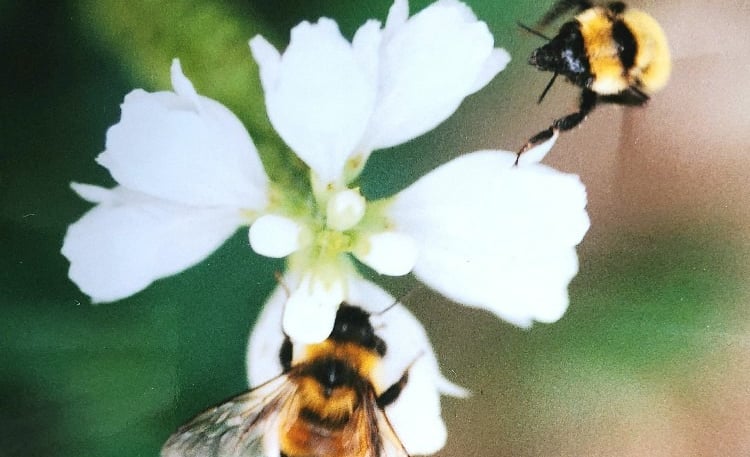
Wild pollinators have declined in abundance, diversity, and geographic distribution at an alarming rate over recent years. These declines pose a significant threat to ecosystem health and biodiversity, yet we currently lack critical ecological information needed to develop effective conservation and restoration strategies for threatened species. The ‘Beecology Project’ aims to fill this gap by recruiting citizen scientists from across the region to digitally collect and submit ecological data on native pollinator species using our freely available smartphone and web apps.
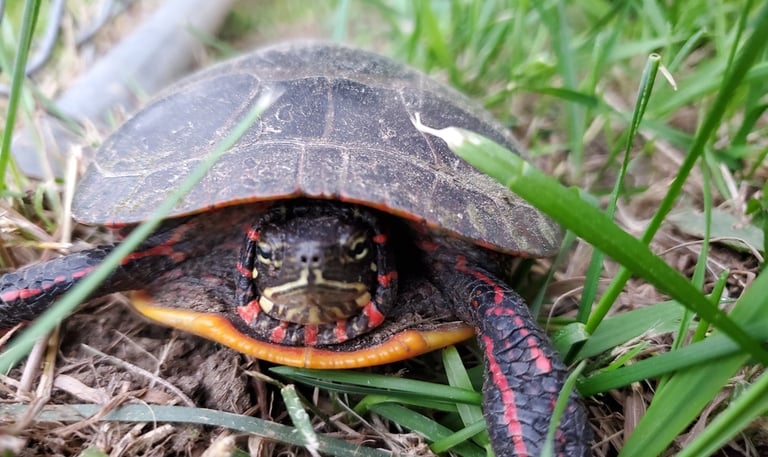
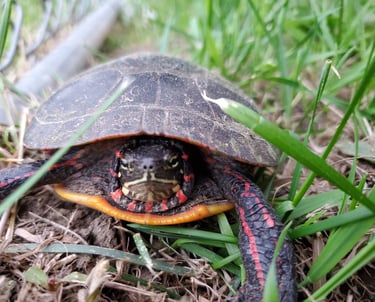
iNaturalist is a place where you can record what you see in nature, meet other nature lovers, and learn about the natural world. It is also a crowdsourced species identification system and an organism occurrence recording tool. You can use it to record your own observations, get help with identifications, collaborate with others to collect this kind of information for a common purpose, or access the observational data collected by iNaturalist users.


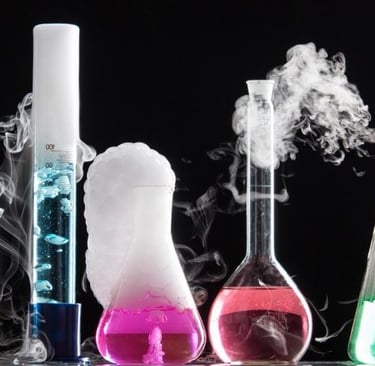
Welcome to Chemistry
Join me, Dr. Perry, as we dive into chemistry through hands-on citizen science and community projects.


150+
15
Trusted
Local
Contact Us
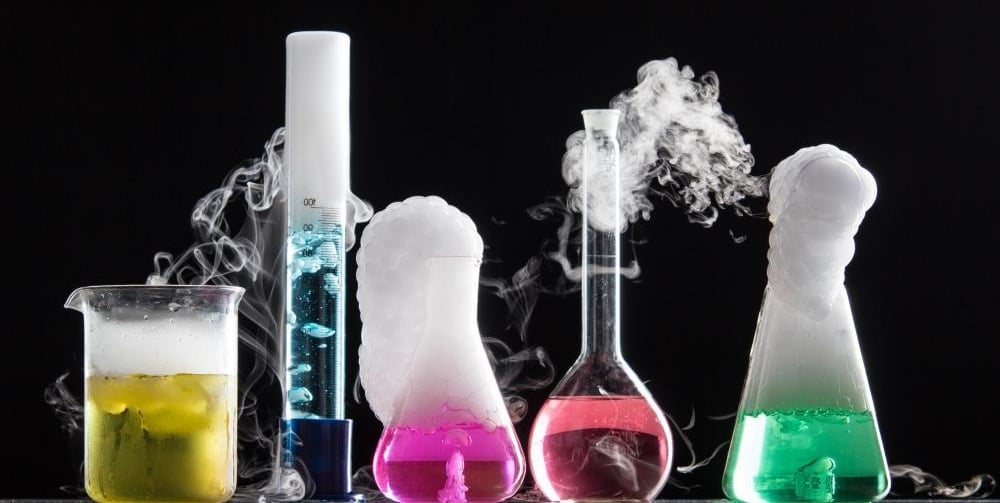
Have questions or ideas? Reach out and join our chemistry community today.